

Iron is an essential component of steel. It is one of the most common elements found in the earth’s crust. Most steel alloys have a high percentage of iron and a small amount of carbon. The bond of carbon with iron leads to the formation of robust molecular structures.
As a result, this creates a lattice microstructure that achieves specific properties, such as hardness and tensile strength. Although steel contains a high percentage of iron and a low percentage of carbon, different steel types have varying amounts of these elements.
Steel may also include titanium, manganese, molybdenum, nickel, vanadium, cobalt, boron, and other elements. The addition of different elements alters the material properties of steel. Today’s article will discuss the step-by-step approach of steel making. Read on!
 Step 1: Creating Molten Iron

The first step of steel manufacturing is iron making. The process involves working on iron ore, coke, and lime and converting these materials into iron. The manufacturing team puts these materials into a blast furnace for melting to create hot metal or molten iron. Because the iron may have impurities at this point, the manufacturing team remove them to ensure the metal is not brittle.
Step 2: Making Raw Steel
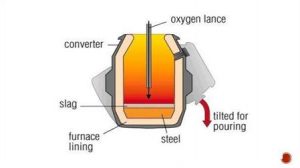
It is crucial to remove all the impurities by infusing the molten metal with scrap steel. The manufacturing team forces the oxygen through the furnace to remove carbon and other contaminants. On the other hand, electricity is pushed through the furnace to achieve the same result. The resultant product is raw steel.
Step 3: Making Secondary Steel
Individuals and construction companies use varying grades of steel for different purposes. Keep in mind that the element in the steel determines the grading of the material. For example, drawing quality steel has a higher percentage of aluminium and a lower amount of carbon.
Likewise, the structural steel has more carbon left inside to increase tensile strength. Manufacturing companies use different techniques to alter the level of impurities left. These include stirring, increasing or decreasing the temperature, removing the gasses, and ladle injection.
Step 4: Casting
The casting step involves converting the molten steel into cooling moulds. The purpose is to make the steel hard. Using guided rollers is an excellent way to pull the steel out and cut it into desired lengths. That way, the steel is used for billets, slabs, beams, and other items.
Step 5: Forging
The forging process involves forming the roughcast items into shapes through the hot rolling procedure. The primary objective of this process is to eliminate defects in the shape and create high-quality steel. The process is also beneficial for making seamless tubing, flat and long products.
Step 6: Forming
Forming is the final stage of the steel-making process. It creates the final shape of the steel, and the manufacturer uses various techniques, such as coating, thermal treating, joining, drilling, pressing, machining, and riveting, to get the job done adequately.
This post was brought to you by Structural Steel Fabrication Sydney