


Steel is an integral component of a wide range of construction projects in Australia. The steel industry plays a crucial role in Australia’s economic growth and stability. Australian steel manufacturing companies make substantial efforts to produce quality steel to construct residential/commercial buildings, roads, bridges, and other projects. Today’s article will discuss the history of steel manufacturing in Australia. Read on!
Early History
The discovery of iron ore deposits in Australia occurred in the early 19th century, and steel manufacturing began in 1840. However, manufacturers lacked the technical capabilities to make high-quality steel.
That’s why steel quality was inferior to the products imported from Britain. Steelmaking in Australia was not a profitable industry until the 20th century due to ineffective manufacturing procedures.
Although the steel production was ineffective, the demand increased, especially from the railway sector because it was expanding throughout the country. Therefore, it was essential to meet the massive demand from various industries.
William Stafford is the Australian father of steel manufacturing. Stafford started steel manufacturing in 1901 using the blast furnace at Lithgow. Steel plants were established in Port Kembla, Newcastle, and Whyalla to meet the increasing demands.
Post-World War II
Steel production improved after World War II because different industries had more demands. Although the steel manufacturing industry was struggling, companies made substantial efforts to make it stable and achieve steady growth.
The steel production reached 4.6 million tonnes in 1963. The industry continued to thrive and achieved the target of 10 million tonnes in 1981. The demand from the automotive industry, domestic appliance manufacturing, and piping sector increased during the last quarter of the 20th century.
According to the Australian Steel Association, infrastructure projects required steel pipes, and agriculture needed products made from steel, such as cattle panels. Likewise, the building industry in Australia had required structural components and materials for roofing in residential and commercial buildings.
 During the Recession
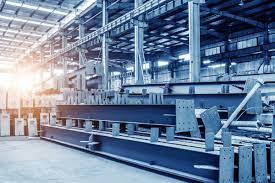
The recession of 1980 was the turning point for the steel industry in Australia because it increased the pressure on steel manufacturing companies. Numerous environmental groups criticized the industry for waste by-products harmful to human health and the environment.
That’s why the industry experienced various reforms to make the manufacturing process more eco-friendly. The purpose was to keep the steel production industry strong and streamline the economy during the recession.
Between 1980 and 1990, Australian steel production companies made substantial changes in the industry’s structure. Not only did they rationalize their operations, but they also adopted advanced technologies to produce quality, safe, and affordable products.
Modern Day Steel Manufacturing
Today, the Australian steel industry has more than 90,000 employees and generates over $11 billion in revenue annually. The Australian government and steel industry collaborate to make positive changes and focus on streamlined processing and fabrication.
The Covid-19 pandemic continues to affect the steel production industry in Australia, and there is a need for a solid policy to tackle the challenges in these tough times. So, it is crucial to implement innovative methods and ensure eco-friendly and reliable steel production in the country.
This post was brought to you by Structural Steel Fabrication Sydney
